Panna cotta is a classic Italian dessert known for its silky texture and elegant simplicity. Made with just a handful of ingredients, this creamy treat is perfect for dinner parties, holidays, or anytime you want an impressive dessert that doesn’t require baking.
This authentic Italian panna cotta recipe combines cream, milk, sugar, vanilla, and gelatin to create a smooth, delicate dessert that melts in your mouth. It’s easy enough for beginners yet sophisticated enough for special occasions.
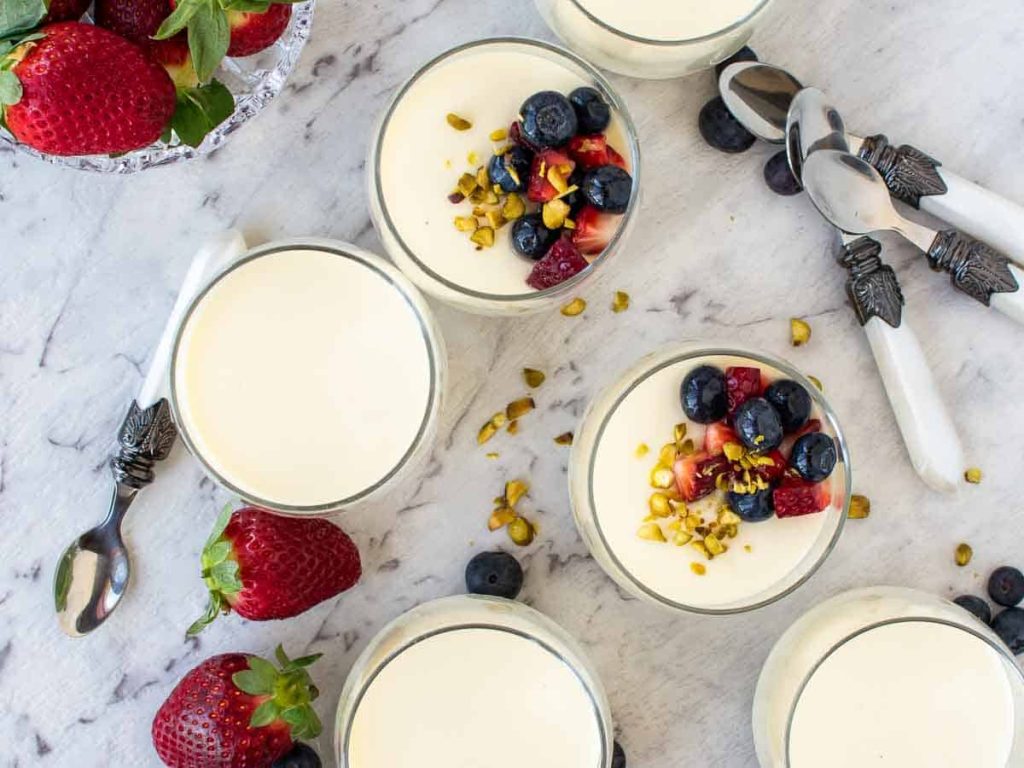
1. Authentic Italian Panna Cotta Recipe (Yield: 6 Servings)
Ingredients
- 2½ cups (600ml) heavy cream
- ½ cup (120ml) whole full-fat milk
- ½ cup (100 grams) granulated white sugar
- 1 vanilla bean
- 2 teaspoons unflavored powdered gelatin
- 2 tablespoons water
- Pinch salt
Instructions
Begin by preparing the gelatin. Pour the 2 tablespoons of water into a small bowl and sprinkle the gelatin evenly over the surface. Let it sit undisturbed for 5 to 10 minutes. This process, called blooming, allows the gelatin to absorb the water and ensures it dissolves smoothly later.
Using a sharp knife, split the vanilla bean lengthwise. Scrape out the tiny seeds inside using the back of the knife.
In a medium saucepan, combine the heavy cream, whole milk, sugar, vanilla seeds, the scraped vanilla pod, and a pinch of salt. Place the saucepan over medium-low heat.
Heat the mixture slowly, stirring occasionally until the sugar has completely dissolved. Continue heating until steam begins to rise from the surface and small bubbles form around the edges of the pan. Do not allow the mixture to boil, as boiling can affect the texture of the finished panna cotta.
Remove the saucepan from the heat. Take out the vanilla pod and discard it.
Add the bloomed gelatin to the warm cream mixture. Whisk continuously for 1 to 2 minutes until the gelatin is fully dissolved and no lumps remain.
For the smoothest texture, pour the mixture through a fine-mesh strainer into a large measuring cup or bowl.
Divide the mixture evenly among six ramekins, dessert glasses, or serving molds.
Allow the panna cotta to cool at room temperature for about 20 minutes. Once slightly cooled, cover each serving dish with plastic wrap.
Transfer the panna cotta to the refrigerator and chill for at least 4 to 6 hours. For the best texture and flavor, refrigerate overnight.
If serving from molds, briefly dip the bottom of each mold into warm water for 5 to 10 seconds. Run a thin knife around the edge if needed, then carefully invert onto serving plates.
Serve chilled on its own or garnish with fresh berries, fruit sauce, caramel sauce, or a light dusting of grated chocolate.
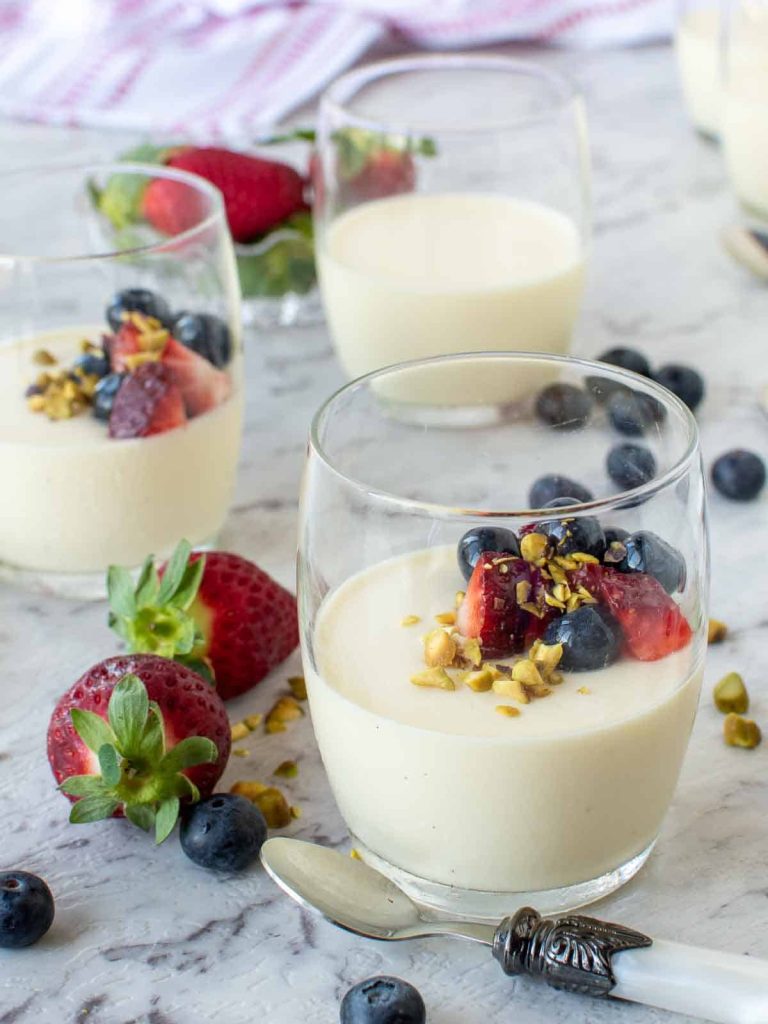
2. Tips for Perfect Homemade Panna Cotta
Bloom the gelatin properly before adding it to the cream mixture. Dry gelatin that isn’t fully hydrated can create small lumps and prevent the panna cotta from setting evenly.
Avoid boiling the cream mixture. High heat can weaken gelatin’s setting power and may cause the texture to become less smooth and delicate.
Whisk thoroughly after adding the gelatin. Any undissolved gelatin can create uneven spots that affect the final consistency.
Strain the mixture before pouring it into serving dishes. This simple step removes any bits of vanilla pod, gelatin particles, or milk solids, resulting in a silkier dessert.
Allow the panna cotta to chill for at least 6 hours if possible. Extra chilling time helps the dessert fully set and develop its signature creamy texture.
When unmolding, use warm water only on the outside of the mold. Excessive heat can begin melting the panna cotta and affect its appearance.
The ideal panna cotta should gently wobble when shaken. If it feels firm like gelatin dessert, too much gelatin may have been used.
3. Frequently Asked Questions
What does panna cotta mean in Italian?
Panna cotta translates to “cooked cream.” Despite the name, the cream is only gently heated rather than fully cooked.
Can I make panna cotta ahead of time?
Yes. Panna cotta is an excellent make-ahead dessert and can be prepared up to two days before serving.
Can I use vanilla extract instead of a vanilla bean?
Yes. Substitute 1 teaspoon of pure vanilla extract if a vanilla bean is unavailable. Add it after removing the cream mixture from the heat.
Why didn’t my panna cotta set properly?
Common causes include insufficient gelatin, improperly bloomed gelatin, or overheating the mixture after the gelatin was added.
Can panna cotta be frozen?
Freezing is not recommended. The texture can become grainy and watery after thawing, which affects the smooth consistency that makes panna cotta special.
4. Nutrition Information
| Nutrient | Amount Per Serving |
|---|---|
| Calories | 340 |
| Protein | 4g |
| Carbohydrates | 18g |
| Fat | 29g |
| Saturated Fat | 18g |
| Cholesterol | 95mg |
| Sodium | 45mg |
| Sugar | 17g |
| Calcium | 90mg |
| Potassium | 110mg |
Nutrition values are estimates and may vary depending on ingredient brands and portion sizes.
Homemade panna cotta is a beautiful example of how a few simple ingredients can create an elegant and memorable dessert. Its smooth texture and delicate vanilla flavor make it a favorite for both casual meals and special celebrations.
Once you learn the basic technique, panna cotta becomes one of the easiest desserts to prepare ahead of time. Serve it with fresh fruit, berry sauce, or simply on its own for a classic Italian dessert that never goes out of style.
