I have cooked pasta more times than I can count. I grew up watching it, smelling it, tasting it, and eventually cooking it myself almost every day. In Italy, pasta is not a “special occasion” food. It is a daily ritual.
Because of that, I’ve seen every possible way pasta can go wrong—and I’ve made plenty of mistakes myself along the way. If you’ve ever wondered why pasta in Italy tastes different even when the ingredients seem the same, I’m going to explain it to you, step by step, from real experience.
Cooking pasta properly is not complicated, but it does require respect. When you treat pasta like an afterthought, it shows on the plate. Let me walk you through how Italians actually cook pasta—and the most common mistakes I see people make.
1. Using Too Little Water
This is the first mistake I notice immediately. Pasta needs space. When I cook pasta, I use a large pot with plenty of water. The pasta must move freely as it cooks, otherwise it sticks together and cooks unevenly.
You might think using less water saves time or energy, but what you really save is frustration—and not in a good way. Crowded pasta releases too much starch into a small amount of water, turning it gummy before it ever reaches the sauce.
As a rule, I tell you this: the pot should feel almost too big for the amount of pasta you are cooking.
2. Not Salting the Water Properly
If there is one rule Italians never break, it is salting the water correctly. Pasta water must taste like the sea—not lightly seasoned, not bland, but boldly salty.
I don’t measure salt with spoons. I measure it with my hand and my memory. The salt goes in after the water starts boiling, and it must dissolve completely before the pasta enters.
If you skip this step or go easy on salt because you think the sauce will fix it, the pasta will taste flat no matter what you do later. Pasta absorbs water as it cooks. If that water has no flavor, the pasta will have none either.
3. Adding Oil to the Water
I know this is a popular habit outside Italy, but I have to be honest with you: adding oil to pasta water does nothing good. It doesn’t stop sticking, and it doesn’t improve texture.
What it does do is coat the pasta with oil, which makes it harder for the sauce to cling later. In Italian cooking, pasta and sauce must marry. Oil in the water creates distance between them.
If your pasta is sticking, the solution is not oil—it’s more water and proper stirring during the first minute of cooking.
4. Overcooking the Pasta
This is one of the most painful mistakes for an Italian to witness. Overcooked pasta loses its soul.
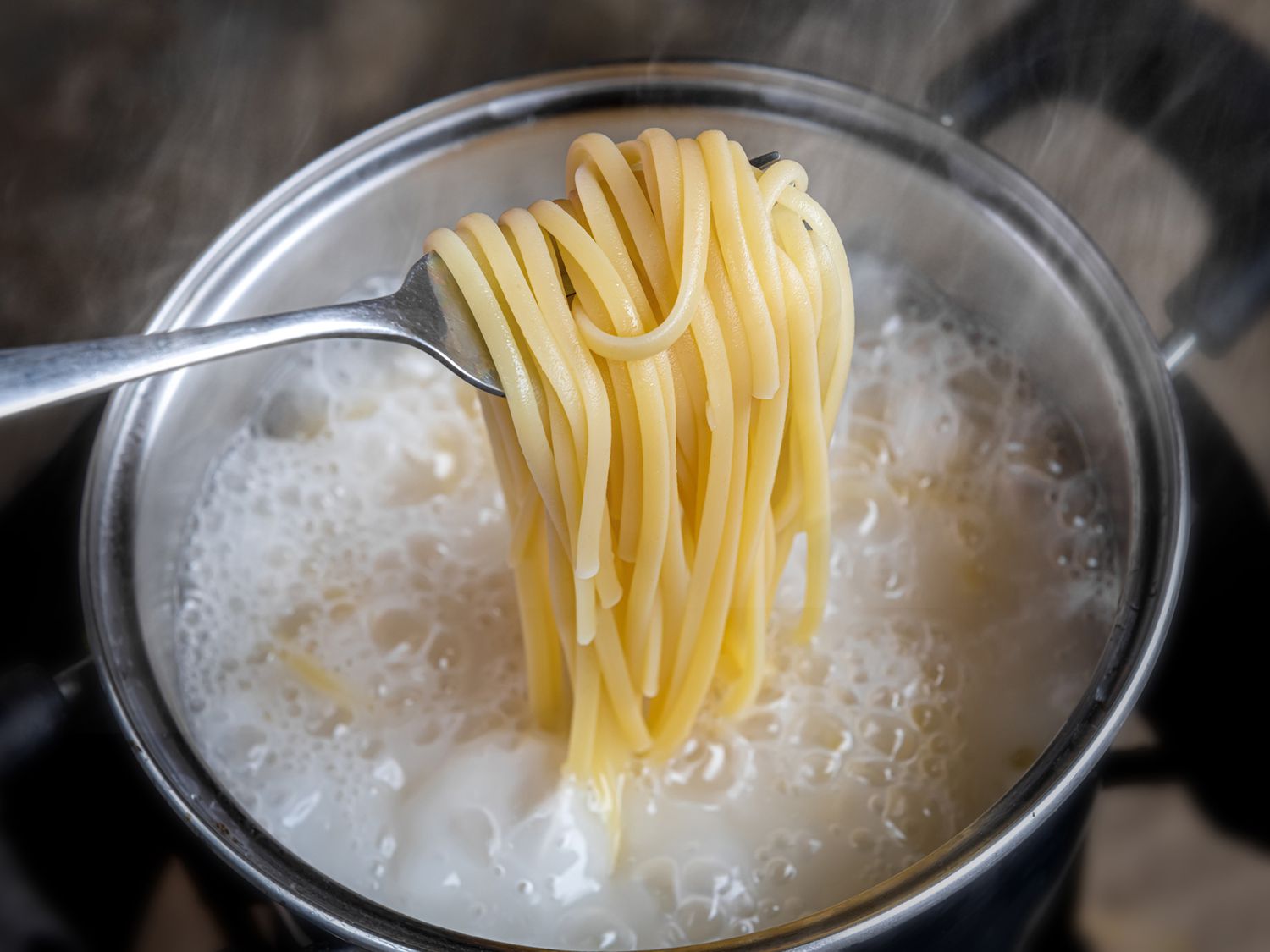
In Italy, pasta is cooked al dente, which means “to the tooth.” It should offer slight resistance when you bite it. Not crunchy, not raw—but alive.
I taste my pasta before the time written on the package. Always. Cooking times are suggestions, not commands. Every brand, every shape, every pot behaves a little differently.
If you wait until pasta feels completely soft in the water, it will be mushy by the time it meets the sauce. Pasta continues to cook even after draining.
5. Rinsing Pasta After Cooking
This one hurts. Please, never rinse your pasta unless you are making a cold pasta salad—and even then, I hesitate.
When you rinse pasta, you wash away the starch that helps the sauce stick. That starch is precious. It is what turns a simple sauce into something silky and cohesive.
In my kitchen, pasta goes from the pot directly into the pan with the sauce. No rinsing, no waiting, no excuses.
6. Throwing Pasta and Sauce Together at the End
Pasta is not finished cooking in water—it is finished in the sauce. This is something many people don’t realize.
I always undercook pasta slightly, then transfer it to the sauce with a little pasta water. This final step allows the pasta to absorb flavor and creates harmony between the pasta and the sauce.
If you dump sauce on top of plain pasta at the last second, you are missing the most important moment of the dish.
7. Using Too Much Sauce
Italian pasta is not swimming. The sauce is there to coat, not drown.
I see plates where pasta disappears under a mountain of sauce, and I know immediately that balance has been lost. Pasta is the star. Sauce supports it.
When you use the right amount of sauce and finish cooking the pasta in it, every bite tastes intentional.
8. Ignoring Pasta Water
Pasta water is not waste—it is an ingredient. That cloudy, salty water contains starch that can fix many problems.
If your sauce feels too thick, pasta water loosens it gently. If it feels dry, pasta water brings it back to life. I keep a ladle nearby every time I cook pasta.
Once you start using pasta water properly, your sauces will never look or taste the same again.
9. Choosing the Wrong Pasta Shape
Not all pasta is meant for every sauce. This is something Italians think about automatically.
Long pasta loves smooth sauces. Short pasta holds chunky sauces. Tubes capture pieces inside. Choosing the right shape makes the dish feel complete.
When you pair the wrong pasta with the wrong sauce, the eating experience suffers—even if the flavors are good.
10. Cooking Pasta Without Attention
Finally, the biggest mistake is treating pasta like something that cooks itself. Pasta demands attention, especially at the beginning and the end.
I stir it as soon as it goes into the water. I taste it. I watch it. I listen to how it moves in the pan.
Pasta is simple, but it is not careless.
Final Thoughts From Someone Who Cooks Pasta Constantly
I cook pasta so often that it feels like breathing. Some days it’s quick. Some days it’s slow. But I always treat it with respect.
If you remember one thing, remember this: Italian pasta is not about rules—it’s about awareness. When you pay attention to water, salt, timing, and balance, pasta rewards you every time.
Cook it with intention, and you’ll understand why something so simple has survived for centuries without ever needing to change.
